
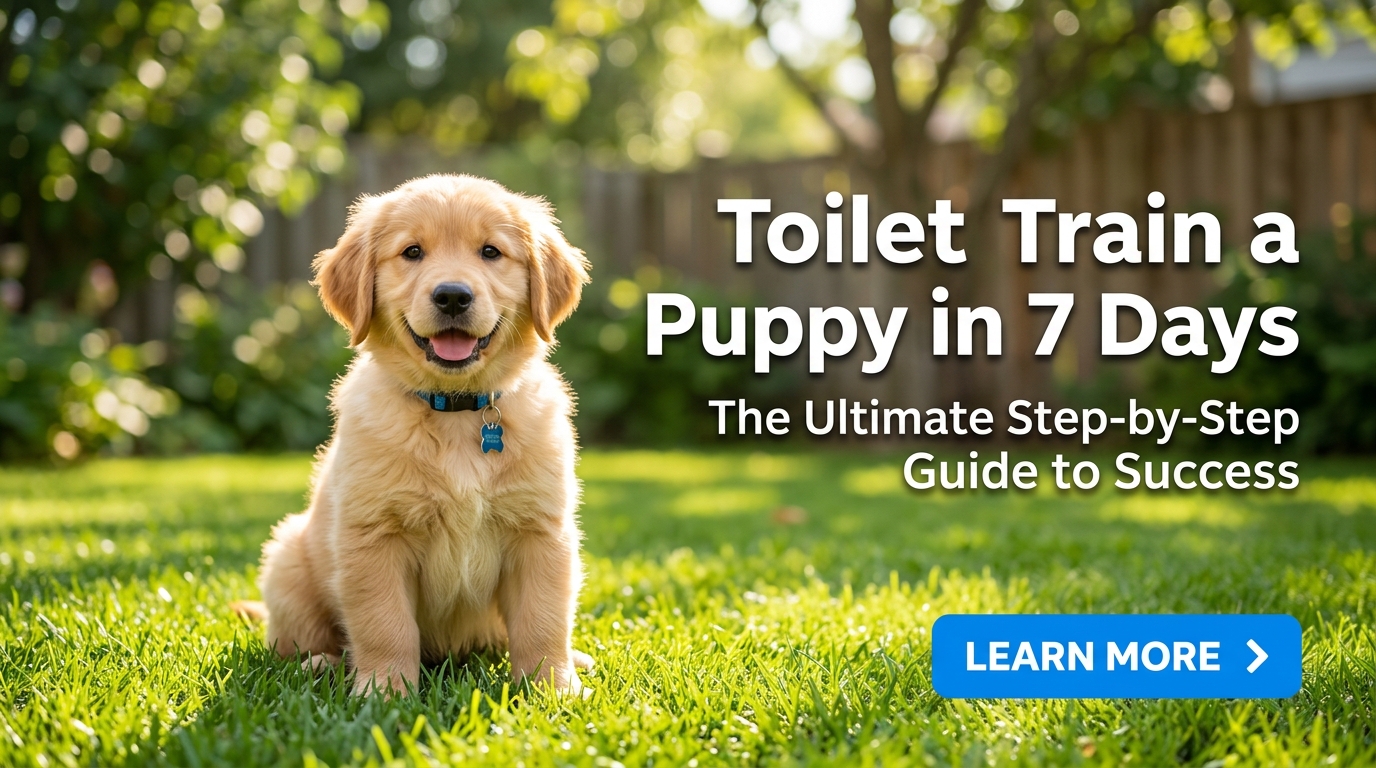
Bringing a new puppy home is exciting, but one of the first challenges new pet parents face is toilet training your puppy. Don’t worry with the right approach and consistency, you can have your furry friend house-trained quickly. This guide will show you how to potty train a puppy in just 7 days using proven techniques.
Why Puppy Toilet Training Matters
Puppy potty training is more than just keeping your home clean. It’s one of the most important lessons your puppy will learn because it:
- Builds trust between you and your pet
- Helps your puppy feel secure and less anxious
- Creates a predictable routine your puppy can follow
- Makes your puppy adjust better to family life
With patience and a solid plan for toilet train a puppy, most puppies show significant improvement within the first week.
Before You Start: Gather Your Supplies
Before beginning your puppy potty training journey, make sure you have these essential items:
- Appropriately sized crate: For crate training puppy purposes
- High-value treats: For rewarding good behavior
- Leash and collar: For taking your puppy outside
- Enzymatic cleaner: To clean accidents thoroughly
- Puppy pads (optional): If you’re doing indoor potty training
Having these tools ready sets you up for success with your puppy potty schedule.
Your 7-Day Puppy Toilet Training Plan
Day 1: Establish a Strict Routine
The foundation of successful puppy toilet training is consistency. Dogs are creatures of habit, and puppies thrive on predictable routines.
Start by taking your puppy outside at these key times:
- First thing in the morning
- After every meal (usually 15-30 minutes later)
- After naps
- After playtime
- Before bedtime
Pro tip: Use the same spot in your yard every time. This helps your puppy associate that specific area with bathroom behavior.
Day 2: Start Crate Training Puppy
Crate training puppy is one of the most powerful tools for house training. Puppies naturally avoid soiling their sleeping area, which helps them develop bladder control.
Here’s how to do it right:
- Choose a crate that’s just big enough for your puppy to stand, turn around, and lie down
- Make it cozy with a soft blanket
- Take your puppy out immediately after crate time
- Avoid leaving your puppy crated for too long
This method works because it teaches bladder control and reduces accidents indoors. Most puppies learn quickly that they shouldn’t go to the bathroom in their sleeping space.
Day 3: Learn to Recognize the Signs
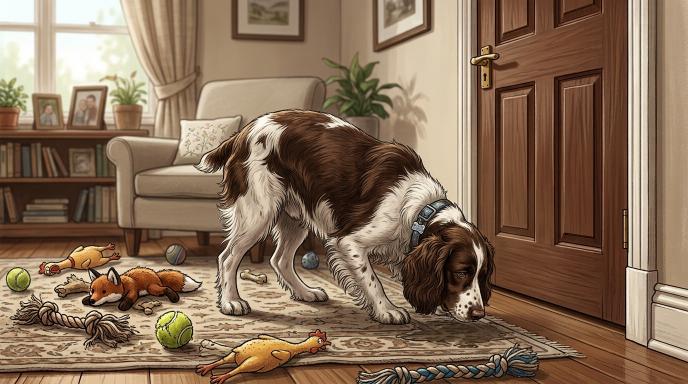
Understanding your puppy’s signals is crucial for success. Watch for these common signs that your puppy needs to go:
- Sniffing the ground intensely
- Circling
- Whining or barking
- Suddenly stopping playtime
- Scratching at the door
The moment you notice these signs, take your puppy outside immediately. Timing is everything in puppy potty training tips.
Day 4: Reward Good Behavior Consistently
Potty training rewards are essential for teaching your puppy the right behavior. Positive reinforcement is the fastest way to train your puppy.
When your puppy goes to the bathroom outside:
- Give treats
- Use enthusiastic praise like “Good job!” or “Yes!”
- Stay consistent with your rewards
- Never punish accidents this creates fear and slows progress
Using the same words like “be busy” or “go potty” while your puppy is actually going helps them learn to associate the words with the action. This makes it easier to prompt them later.
Day 5: Minimize Indoor Accidents
By day five, your puppy should be catching on to the routine. Now it’s time to prevent accidents:
- Supervise your puppy at all times when they’re inside
- Limit access to certain rooms using baby gates
- Watch for those warning signs we mentioned earlier
- Clean accidents thoroughly with enzymatic cleaner to remove odors
Never use ammonia-based cleanersthey smell similar to urine and can confuse your puppy about where it’s okay to go.
Day 6: Gradually Extend Time
As your puppy’s bladder grows stronger, you can slowly increase the time between potty breaks. Start with 30-60 minute intervals and gradually extend them.
Remember: a good rule of thumb is that puppies can typically hold their bladder for one hour per month of age (so a 3-month-old can usually wait about 3 hours).
Day 7: Reinforce and Maintain
By day seven, your puppy should understand the basic routine. Continue:
- Maintaining a regular schedule
- Rewarding good behavior
- Supervising closely
- Being patient and consistent
Note: While puppies can learn the basics in 7 days, full reliability may take several weeks of continued practice.
Understanding Indoor vs Outdoor Potty Training
Outdoor Potty Training
Outdoor potty training is the most recommended approach because it:
- Encourages natural bathroom behavior
- Is easier to maintain long-term
- Works best for homes with yards
- Prevents your puppy from thinking the house is okay for going
To teach outdoor potty training, take your puppy to the same spot consistently and use reward-based training when they succeed.
Indoor Potty Training
Indoor potty training is useful if you live in an apartment or experience extreme weather conditions. However, this method:
- Requires puppy pads in a designated area
- May need a gradual transition to outdoor training later
- Requires more thorough cleaning with enzymatic products
Choose the method that best fits your living situation, but always stay consistent.
Common Puppy Toilet Training Errors to Avoid
Even with good intentions, mistakes can slow your progress. Here are the most common puppy toilet training errors to avoid:
Diet-Related Mistakes:
- Over-feeding your puppy
- Feeding unsuitable foods or constantly changing diet
- Not feeding at regular times
- Feeding salty foods that make puppies drink more
- Feeding at the wrong times (avoid feeding just before bed)
Environmental Mistakes:
- Leaving the back door open so your puppy treats the garden as a playground, not a toilet
- Leaving your puppy alone too long (forces them to go indoors)
- Not supervising your puppy in the garden (you need to reward them when they go outside)
- Allowing access to rugs or carpet (they’re absorbent like grass)
Most puppies need to go within 15-30 minutes after eating, so use this timing to your advantage.
Teaching Your Puppy to Toilet on Walks
Many owners are surprised when their puppy won’t toilet during walks but immediately goes when home. This happens because your puppy has learned to only go at home.
To fix this:
- Take your puppy for a walk before their morning bathroom break
- Don’t bring them home until they’ve gone
- Use your cue words consistently
- Reward them for going outside their usual spot
- Be patient this retraining takes time
Sometimes health issues like dogs gut health problems can affect potty training progress. A vet can rule out medical issues and get your puppy back on track.
The Bottom Line
Toilet training your puppy doesn’t have to be stressful. By following this 7-day plan with consistency, patience, and positive reinforcement, you’ll have a house-trained puppy in no time. Remember that every puppy is different some may catch on faster, while others need a bit more time.
Frequently Asked Questions
Q: Can a puppy really be toilet trained in 7 days?
A: Yes! Puppies can learn the basics in 7 days, but full reliability may take several weeks with continued practice.
Q: How often should I take my puppy out?
A: Every 2-3 hours, plus after meals, naps, and playtime for best results.
Q: What if my puppy has an accident indoors?
A: Stay calm, clean it thoroughly with enzymatic cleaner, and avoid punishment. Focus on reinforcing correct behavior instead.
Q: Should I use puppy pads or train outdoors?
A: Outdoor training is ideal long-term, but pads can help if you live in an apartment. Stay consistent with whichever method you choose.
Q: Is crate training necessary?
A: Not absolutely, but crate training puppy is highly effective for house training because it teaches bladder control naturally.