

Picking a new dog is exciting, but it also comes with a big question: will this dog stay healthy for most of its life? Some breeds are prone to costly vet visits and long-term illness, while others are known to be strong, hardy, and low-maintenance. If you are searching for the healthiest dog breed to bring home, you are already doing the smart thing. Choosing a dog with good genes can save you years of stress and thousands of dollars in vet bills.
In this guide, we will walk through what makes a breed healthy, the warning signs of unhealthy breeding, and 10 dog breeds with the least health issues. We will also cover how genetics, breeding practices, and daily care all play a role in your dog’s long-term wellbeing.
This question comes up a lot from first-time dog owners and experienced dog lovers alike: what breed of dog has the least health problems? The honest answer is that no breed is completely free of risk, but some breeds are far more resilient than others. By the end of this article, you will have a clear, simple list you can use when picking your next furry family member.
Why Some Dog Breeds Are Healthier Than Others
Not all dogs are built the same. Over hundreds of years, humans have bred dogs for specific looks and jobs. Some of these choices, sadly, led to breeds carrying inherited diseases in dogs that never go away, no matter how well the dog is cared for.
For example, breeds with flat faces often struggle to breathe. Breeds with long backs often develop spine problems. Very large breeds tend to have shorter lifespans and joint issues. This is why understanding breed-specific health conditions before adopting is so important.
On the other hand, many mixed breeds and certain purebred dogs have a wider gene pool or fewer extreme physical traits, which means fewer genetic disorders in dogs and a longer, more comfortable life.
Body shape is not the only factor. The way a breed has been developed over time also matters a lot. Working and herding breeds were selected for stamina, strong hearts, and sound joints because their jobs demanded it. Companion breeds bred purely for appearance, on the other hand, sometimes lost some of that natural toughness along the way. This is one reason why looking into a breed’s history is just as useful as looking at its looks.
Signs of the Unhealthiest Dog Breeds
Before we get to the healthy list, it helps to know what to avoid. Some of the unhealthiest dog breeds share common warning signs, such as:
- Very flat or pushed-in faces (breathing problems)
- Extremely short legs with a long back (spine issues)
- Very large body size bred quickly for size, not health
- A history of skin folds that trap moisture and bacteria
- Extreme inbreeding within a small gene pool
This does not mean every dog from these breeds will get sick. But the risk is much higher, and future owners should be aware before choosing a puppy. If you already own a dog from one of these higher-risk breeds, do not panic. Regular checkups, weight control, and quick attention to small symptoms can make a big difference in quality of life, even for breeds with known health challenges.
What Makes a Dog “Low-Maintenance and Healthy”
When people search for low-maintenance healthy dogs, they usually want a pet that does not need constant vet trips, special diets, or expensive surgeries. A truly low-maintenance healthy dog usually has:
- A body shape close to nature, not overly exaggerated
- A moderate size, neither too tiny nor too giant
- A long history of working or active breeding, not just looks
- Breeders who focus on health testing, not just appearance
- A gene pool that has not been overly narrowed
Keep these points in mind as we go through our list of the healthiest dog breeds with long lifespans.
10 Dog Breeds Have Least Health Issues
Here are 10 of the healthiest dogs to own, based on their history of strong genetics, active lifestyles, and lower rates of inherited illness.
1. Australian Cattle Dog
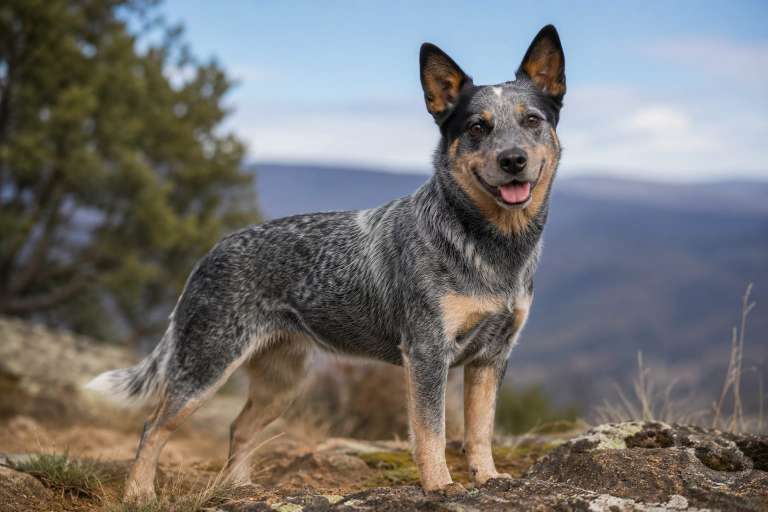
This working breed was built for tough conditions on Australian farms. Australian Cattle Dogs are known for their stamina, strong joints, and long lifespan, often living well into their teens. They rarely suffer from the breathing or spine problems seen in more extreme breeds, making them one of the healthiest dog breeds with long life spans. They do need daily exercise and mental stimulation, but in return, owners often enjoy 13 to 15 years with very few major vet bills.
2. Beagle
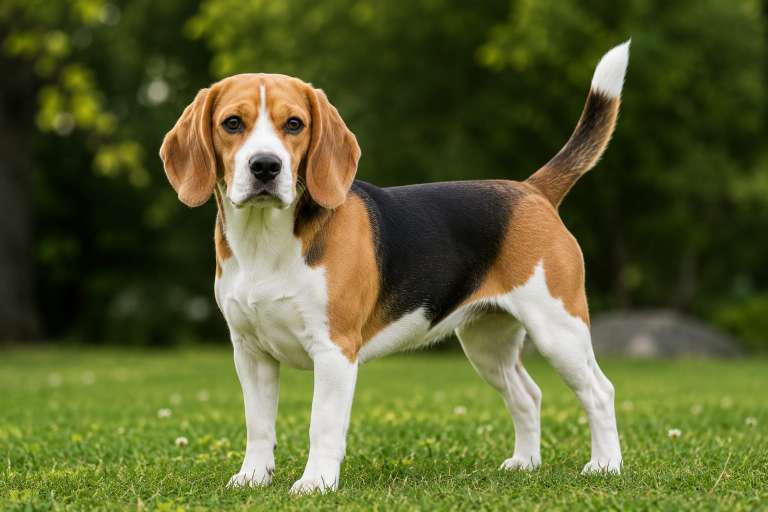
Beagles are a classic example of dogs that rarely get sick. They have a moderate size, natural body shape, and strong hunting background. While they can gain weight if overfed, their overall health record is solid, and they are known to reach 12 to 15 years of age with proper care. Their floppy ears do need regular cleaning to prevent infections, but this is a small, manageable task compared to the serious conditions seen in other breeds.
3. Chihuahua
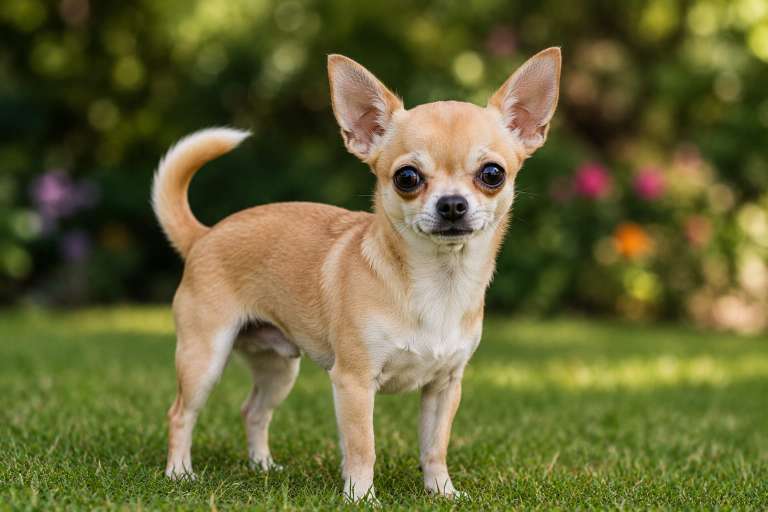
If you are searching for healthiest small dog breeds, the Chihuahua is often near the top of the list. Despite their tiny size, they tend to live very long lives, sometimes 15 to 18 years, with fewer major genetic disorders in dogs compared to other toy breeds. Their biggest risks are dental issues and cold sensitivity, both of which are easy to manage with basic care and a warm sweater in colder months.
4. Border Collie
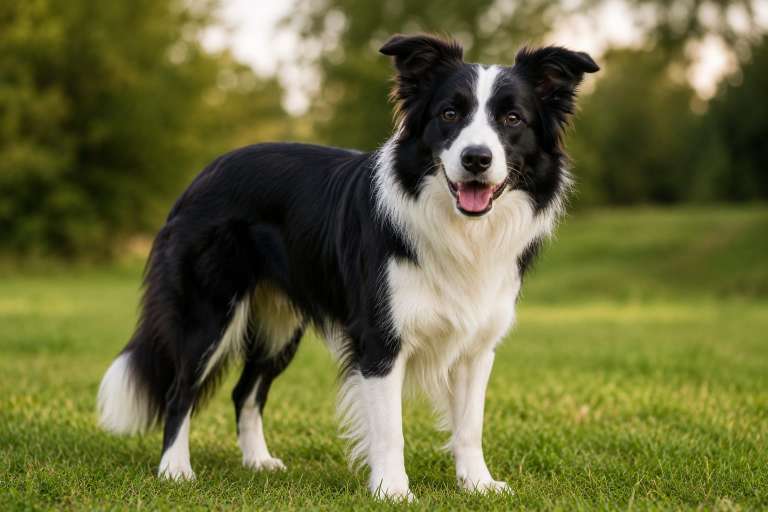
Known as one of the most intelligent dogs, the Border Collie also ranks high for physical health. Their athletic build and working history mean fewer joint and heart issues than many other breeds. Regular exercise keeps them both mentally and physically strong, and many Border Collies stay active and healthy well past the age of 12, rarely needing more than routine checkups.
5. Australian Shepherd
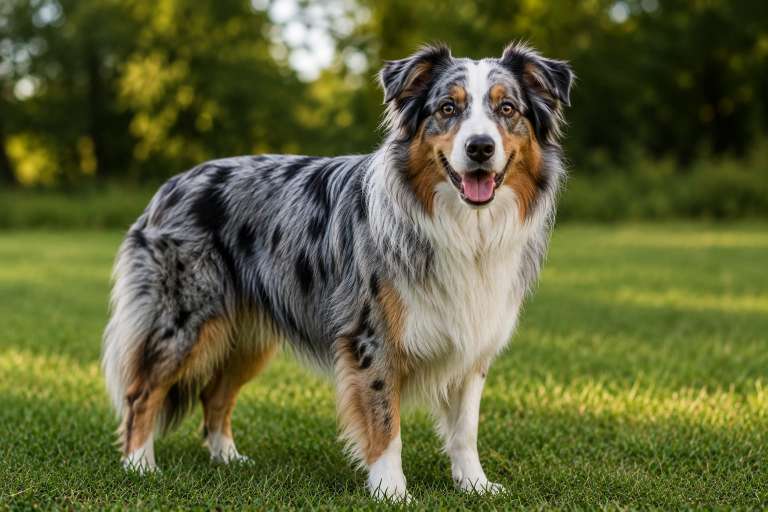
Bred for herding, the Australian Shepherd has a naturally balanced body and strong immune system. With responsible dog breeding, this breed has a good track record for avoiding major hereditary conditions, especially when bought from health-tested dog breeders. As with most working breeds, they do best with plenty of activity, which helps prevent the weight-related problems that can affect any dog breed over time.
6. Poodle (Standard Size)
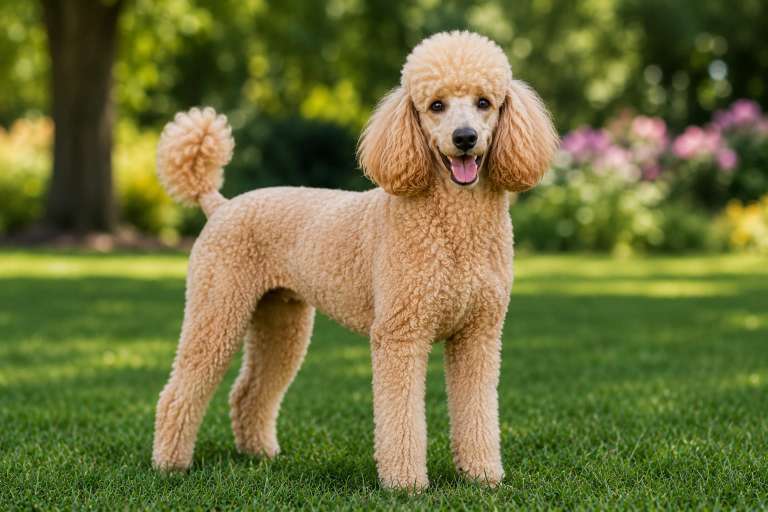
Many people ask about a hypoallergenic dog with least health issues, and the Standard Poodle often comes up. Their coat sheds very little, which helps allergy sufferers, and their body proportions are naturally balanced, lowering the risk of joint disease compared to more extreme breeds. Standard Poodles are also known for their sharp intelligence, which makes training and daily care easier for new owners.
7. Basenji
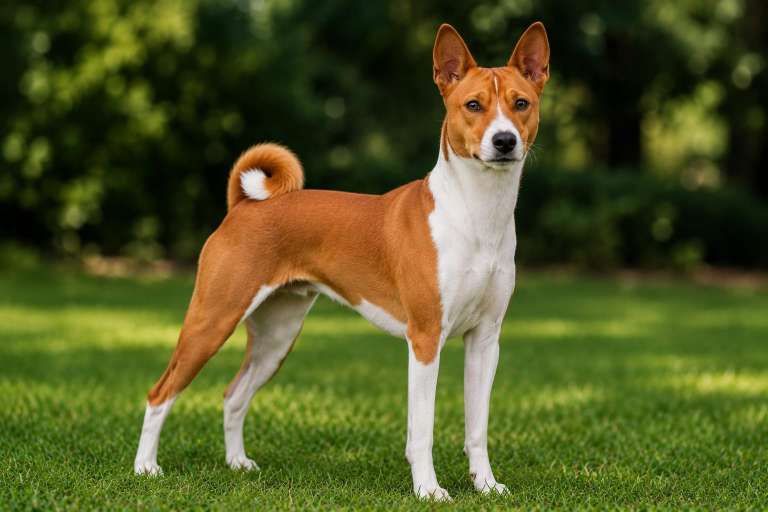
The Basenji is an ancient breed with a small, controlled gene pool but a strong natural build. Because it has not been overbred for exaggerated looks, it tends to avoid many of the breed-specific health conditions seen in newer designer breeds. This breed is also known for being almost barkless and very clean, grooming itself much like a cat, which adds to its overall low-maintenance reputation.
8. Siberian Husky
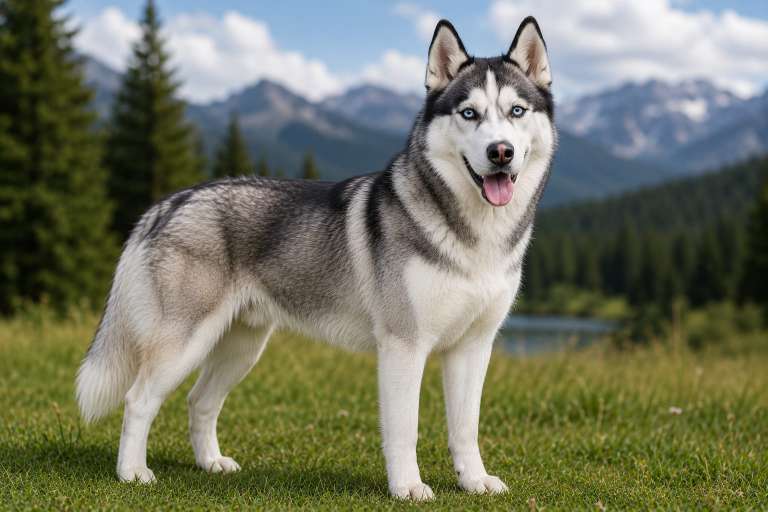
Huskies were bred to pull sleds across long distances, which means endurance and strength were always priorities. This working history gives them fewer structural problems than many other medium to large breeds, and they are often listed among the healthiest dogs to own for active families. Their thick coat does require regular brushing, but this is a grooming task rather than a medical concern.
9. Whippet
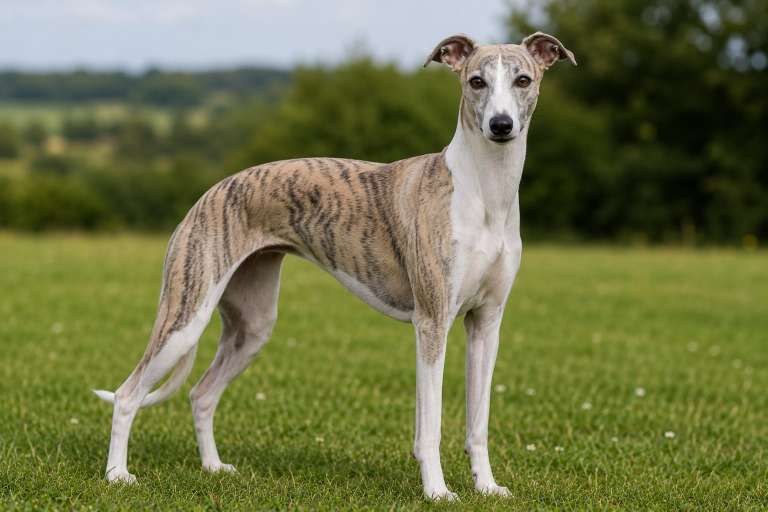
The Whippet is a lean, athletic breed with very few known genetic disorders in dogs. Their natural, non-exaggerated body shape supports strong joints and a healthy heart, and they typically live 12 to 15 years. Whippets are gentle, quiet, and do not require excessive grooming, making them a favorite among owners who want a healthy dog with a calm indoor temperament.
10. Shiba Inu
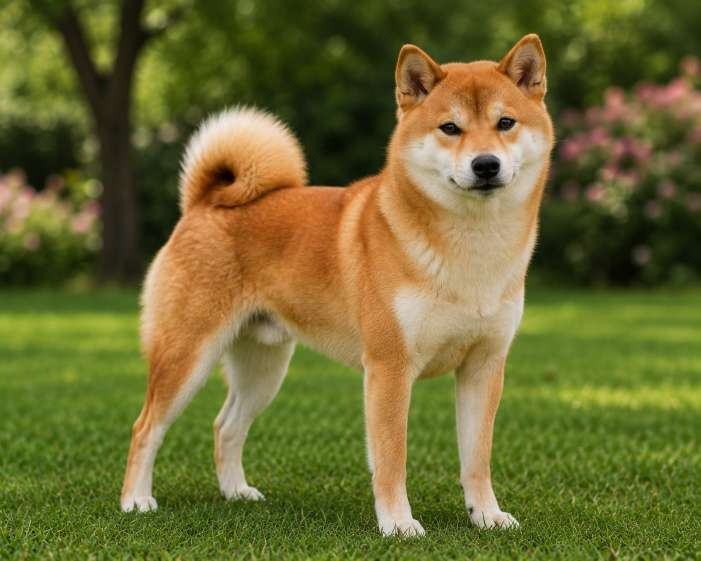
This small Japanese breed is known for being sturdy and independent, with a strong immune system and fewer inherited illnesses than many small companion breeds. The Shiba Inu is often mentioned as one of the healthiest small dog breeds thanks to its close-to-natural build. They are also naturally clean dogs, which can make home care simpler for busy owners.
How to Choose the Healthiest Dog Breed for You
Picking the healthiest dog breed is not only about the breed name. It is also about where the puppy comes from. Here is what to check:
- Ask for health testing records. Reputable breeders test for hip dysplasia, heart conditions, and eye disorders before breeding.
- Meet the parents if possible. Healthy, active parents are a good sign for the puppy’s future.
- Avoid extreme physical traits. Very flat faces, very short legs, or very large size can increase health risks.
- Choose responsible dog breeding programs, not breeders who prioritize looks or rapid litters over long-term health.
- Keep up with routine vet checkups, even for the healthiest breeds, since prevention is always better than treatment.
Canine Health Goes Beyond Breed
Even the healthiest dog breed still needs good daily care. Canine health depends on diet, exercise, weight management, dental care, and regular vet visits. A poor diet or lack of exercise can cause health problems in even the sturdiest breeds, while a caring routine can help less naturally healthy breeds live longer, more comfortable lives.
Digestive health is one area many owners overlook. Gut issues can affect dogs of any breed and often show up as vomiting, low energy, or appetite changes. If your dog has been having stomach trouble, our guide on dog gut health problems explains common causes and how to help your dog feel better.
Frequently Asked Questions
What breed of dog has the least health problems overall?
There is no single answer that fits every dog, but breeds like the Australian Cattle Dog, Beagle, and Border Collie are commonly named as having the fewest health problems because of their natural body shape and working history.
Are small dogs healthier than large dogs?
Not always, but many healthiest small dog breeds, such as the Chihuahua and Shiba Inu, tend to live longer than giant breeds simply because large body size puts more strain on the heart and joints over time.
Can a hypoallergenic dog also be a healthy dog?
Yes. A hypoallergenic dog with least health issues, such as the Standard Poodle, can be both easy on allergies and strong in overall health, especially when bought from health-tested dog breeders.
Do mixed breed dogs have fewer health problems than purebred dogs?
Often, yes. A wider gene pool can reduce the risk of certain inherited diseases in dogs, though a lot still depends on the specific parent breeds involved.
Final Thoughts
There is no single breed that is guaranteed to be problem-free, but some come much closer than others. Dogs like the Australian Cattle Dog, Beagle, Chihuahua, Border Collie, and Shiba Inu are widely recognized as dog breeds with the fewest health problems, thanks to their natural body shapes and strong genetic history.
If you are choosing a new companion, focus on breeds with a track record of good health, and always choose breeders who care about health testing over appearance. With the right breed and the right care, your dog has a much better chance at a long, happy, and healthy life.