
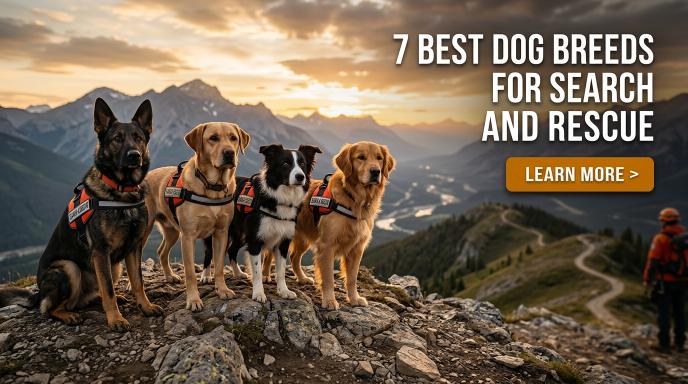
When someone goes missing in a forest, under snow, or beneath collapsed buildings, dogs are often the ones who find them first. Rescue dog breeds have been trusted for this work for centuries because of their powerful noses, endless energy, and drive to keep searching no matter how long it takes. Not every dog is cut out for this job. It takes a rare mix of scenting power, stamina, and a calm mind to become one of the top dog breeds known for rescue work.
In this guide, we will look at the best search and rescue dog breeds, what makes them so good at the job, how they are trained, the challenges they face in the field, and which breeds FEMA relies on during disasters. Whether you are just curious or thinking about training your own dog for rescue work, this blog will walk you through it in simple terms.
What Makes a Dog Good at Search and Rescue?
Search and rescue is one of the toughest jobs a dog can have. It is not just about having a good nose. These dogs need several traits working together.
- A powerful sense of smell to pick up human scent from far away or under debris
- High stamina to search for hours without losing focus
- A calm, confident temperament so loud noises and chaos do not throw them off
- Strong trainability to follow commands quickly and reliably
- Physical strength and agility to move through rubble, deep snow, or thick forest
Dogs used for search and rescue also need something trainers call drive. This is the dog’s natural desire to keep working toward a goal, almost like a game they never want to stop playing. A dog with strong drive will keep searching even after hours of work, because finding a person feels like the biggest reward in the world to them.
7 Best Dog Breeds for Search and Rescue
Here are the top dog breeds for search and rescue work, based on their history, skills, and success in real missions.
1. German Shepherd
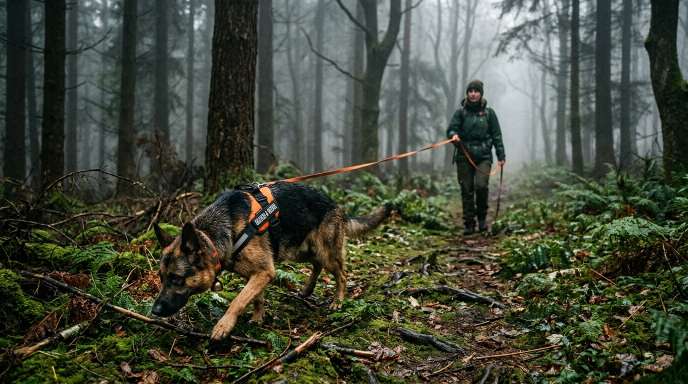
German Shepherds are often the first name people think of when it comes to rescue breeds of dogs. They are intelligent, loyal, and pick up new commands fast. Their strong nose and steady nerves make them useful in almost every kind of search, from collapsed buildings to open wilderness. Police, military, and disaster response teams all rely on this breed for the same reasons.
2. Labrador Retriever
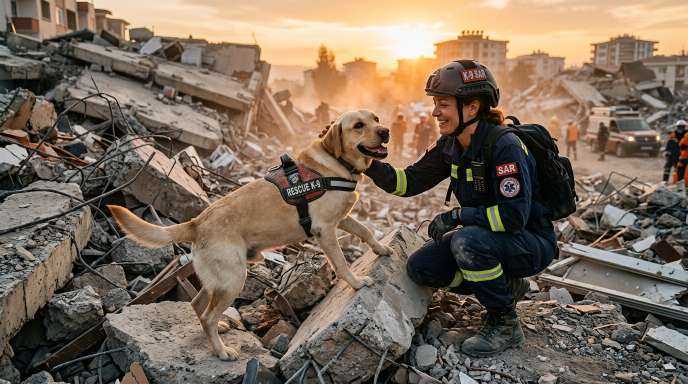
Labradors are friendly and full of energy, which makes them one of the most dependable rescue dogs for tracking work. Their nose is excellent, and their eagerness to please makes training easier than with many other breeds. Labs are also strong swimmers, so they do well in water rescues as well as wilderness and disaster searches.
3. Border Collie
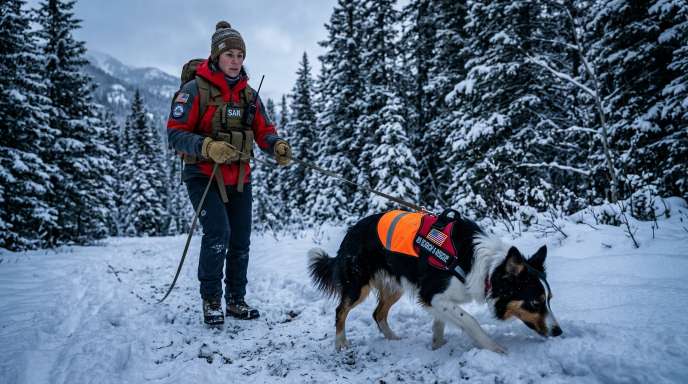
Border Collies are known as one of the smartest dog breeds in the world, and that intelligence carries over into search and rescue work. They learn search patterns quickly and can adjust their approach if something is not working. Their high energy means they can search for long stretches without tiring, which is why they are often chosen for wilderness and mountain rescues.
4. Bloodhound
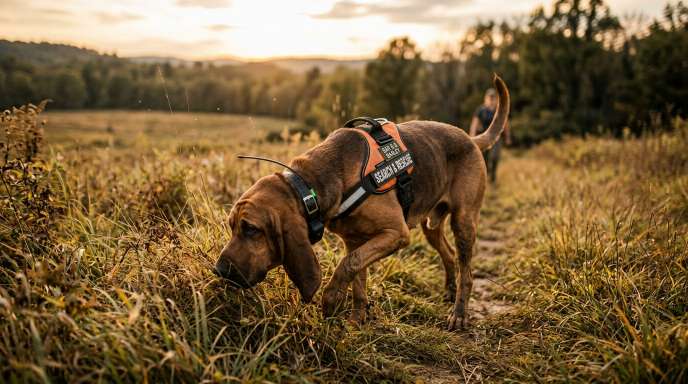
When it comes to tracking, no breed beats the Bloodhound. These dogs can follow a scent trail that is days old, even across long distances and rough terrain. Their long ears actually help trap scent particles near their nose, giving them an edge that other breeds simply do not have. Bloodhounds are gentle with people but almost impossible to distract once they are on a trail.
5. Golden Retriever
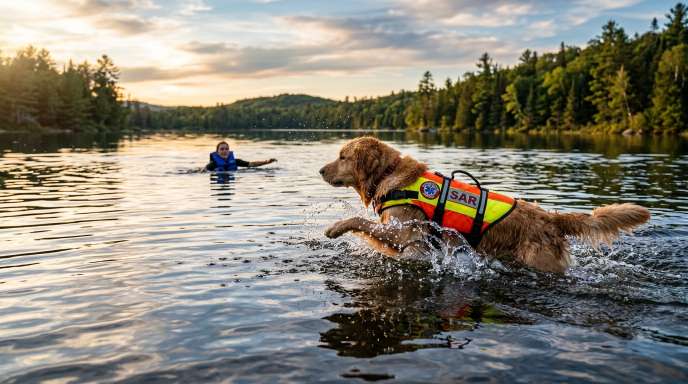
Golden Retrievers combine a strong nose with a gentle, patient nature, which makes them ideal for search work involving vulnerable survivors, including children. They are highly trainable and handle stress well, staying focused even in difficult conditions. Many Golden Retrievers also do well in snow and cold weather, making them useful in avalanche search work.
6. Belgian Malinois
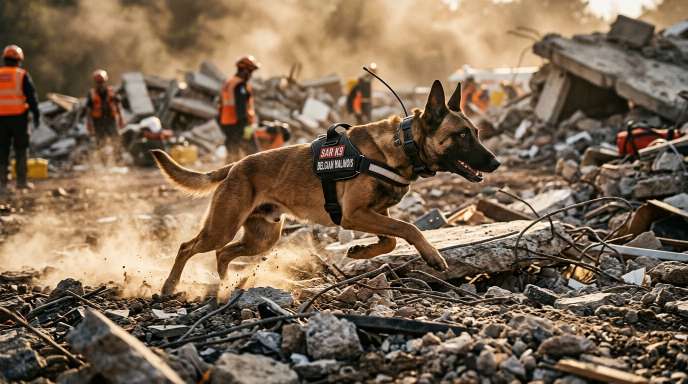
Belgian Malinois are fast, driven, and extremely trainable, which is why military and police teams use them so often. That same intensity makes them excellent SAR dog breeds for urban disaster zones and tracking missions. They need a handler who can match their energy, since these dogs are happiest when they are working.
7. Newfoundland
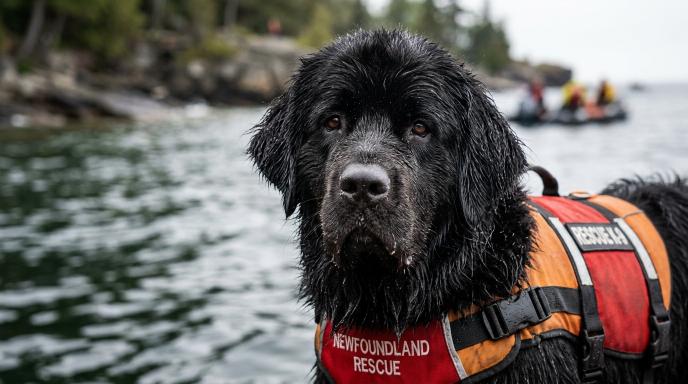
Newfoundlands are giant, gentle dogs built for water rescue. Their webbed feet and thick, water-resistant coat let them swim in cold water for long periods without tiring. They have a long history of pulling drowning swimmers to safety and are still used today for water-based search and rescue missions.
Training Dog Breeds for Search and Rescue
Training a search and rescue dog is not quick. It usually takes twelve months or more of steady, structured work before a dog is ready for real missions.
- Basic obedience: The dog learns to sit, stay, come, and work off-leash reliably, even around distractions.
- Scent games: Trainers introduce the dog to human scent through simple hide-and-seek style games, rewarding every find.
- Search exercises: The dog practices finding people in more controlled, realistic settings.
- Field training: The dog is exposed to real-world conditions like rubble, snow, water, or dense forest.
- Certification: The dog is tested under pressure to prove it can search safely and reliably before joining active missions.
Good training habits start early, often in puppyhood. Building structure and routine from the very beginning makes later training much easier. Simple steps like learning how to toilet train your puppy in 7 days help build the kind of discipline and focus a working dog will need down the road.
Challenges in Search and Rescue Work
This job is demanding, even for the most talented dog breeds used for search and rescue.
- Physical exhaustion from working long hours in extreme heat, cold, snow, or rubble
- Injury risk from sharp debris, unstable structures, or long stretches of rough terrain
- Scent confusion in crowded or contaminated areas where too many smells overlap
- Emotional strain, especially during searches that do not end in a live find
- A short working career, since most dogs retire from active duty around age 8 to 10
Handlers train right alongside their dogs and watch closely for signs of fatigue or stress. Many rescue teams also stage practice finds during long missions, so the dog still gets the reward of a successful search even when the real mission is difficult.
Which Dog Breeds Does FEMA Use?
A FEMA dog refers to highly trained canines that work with the Federal Emergency Management Agency’s Urban Search and Rescue (US&R) teams.
FEMA depends on certified SAR dog breeds during major disaster response efforts. The dog breeds used by FEMA are chosen for their scenting ability, stamina, and steady temperament under chaotic conditions. German Shepherds, Labrador Retrievers, Belgian Malinois, and Border Collies are among the most common choices, since they combine sharp instincts with the physical endurance disaster zones demand.
Before a dog can join a FEMA-certified team, it must pass strict testing that proves it can search safely and accurately, even in unpredictable and dangerous environments.
Keeping a Rescue Dog Healthy and Fit
A search and rescue dog can only perform well if its body is in good shape. These dogs work hard, so their diet and health need close attention.
Digestive health is often overlooked. Working dogs on irregular schedules or under high stress can develop gut health problems, which can quietly affect their energy and focus in the field. Catching early warning signs can prevent bigger setbacks later.
Sudden diet changes or unsafe food during a mission can also put a working dog at risk of pancreatitis, so handlers need to know the warning signs and act quickly if something seems off. If you are considering a breed for future rescue training, it also helps to look at breeds with the fewest health issues, since dogs with fewer genetic health problems tend to have longer, more active working careers.
Frequently Asked Questions
Q: How are search and rescue dogs trained?
A: They start with obedience, then move into scent games, real-world practice, and finally certification tests.
Q: How long does SAR dog training take?
A: Usually 12 to 24 months before a dog is fully certified.
Q: What is the difference between tracking and trailing dogs?
A: Tracking dogs follow the exact path someone walked. Trailing dogs follow scent drifting in the air nearby, so they can move faster.
Q: Can mixed-breed dogs become search and rescue dogs?
A: Yes. What matters most is the dog’s nose, drive, and trainability, not its breed.
Q: Which dog breed is best for scent detection?
A: The Bloodhound, thanks to its powerful nose and scent-trapping ears.
Final Thoughts
Search and rescue dogs save lives every single day, often in conditions most people could never handle. From the tracking power of a Bloodhound to the water rescue skills of a Newfoundland, each breed brings something different to the table. What they all share is drive, focus, and a deep bond with the handlers who train them.
Whether you are simply curious about these remarkable working dogs or thinking about training one yourself, understanding what makes these breeds so effective is a great place to start. With the right breed, solid training, and good health care along the way, these dogs continue to prove why they are some of the most valuable partners humans have ever had.