

Living in an apartment or a small home does not mean you have to skip owning a bird. While some birds can screech loud enough to bother the whole building, plenty of other species are naturally calm and soft spoken. If you want a feathered friend without upsetting your neighbors, choosing one of the quietest pet birds is the way to go.
We will look at the best quiet pet birds for small spaces, what makes them so calm, and how to care for them so they stay happy indoors. Whether you live in a tiny apartment or just want a low noise pet bird for a quiet home, this list will help you find the right match.
What Makes a Pet Bird Quiet?
No bird is completely silent. Every bird species has its own way of communicating, and even the calmest birds will chirp, chatter, or sing at some point during the day. The difference lies in the noise level.
Quiet bird species usually share a few common traits.
- Soft vocalizations instead of loud screeches or piercing calls
- Smaller body size, which often means a smaller, gentler voice
- Calm temperament, so they are less likely to call out for attention
- Predictable noise patterns, often limited to early morning or dusk
Keep in mind that individual birds can be louder or quieter than others in the same species. Spending time with a bird before bringing it home can help you get a sense of its personality and vocal habits.
5 Best Quiet Pet Birds for Small Spaces
Here are five birds that are known for their gentle voices and easygoing nature, making them ideal indoor birds for apartments and small rooms.
1. Bourke’s Parakeet
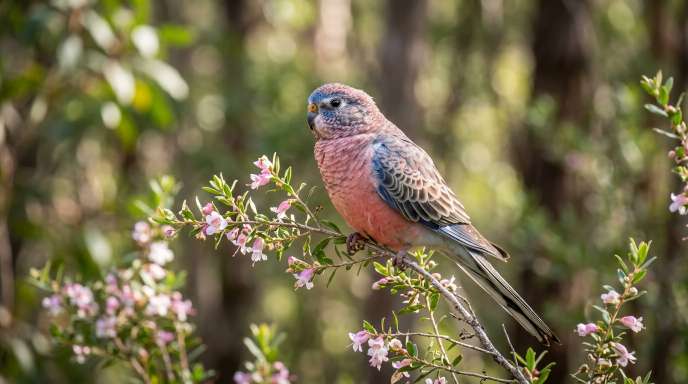
Also known as the blue-vented parrot, sundown parrot, pink-bellied parrot, or “Bourkie”, this small parrot is native to Australia. It grows to about 19 to 23 cm long and weighs around 45 grams. It has a soft pink and brown body with blue feathers on its wings and rump.
Bourke’s Parakeets are one of the calmest birds you can bring into a small home. They are most vocal at dawn and dusk, and even then, their chatter stays soft and pleasant. These birds have a gentle, easygoing temperament and can form close bonds with their owners. They do enjoy having room to fly, so a roomy cage with space to stretch their wings works best.
2. Diamond Dove
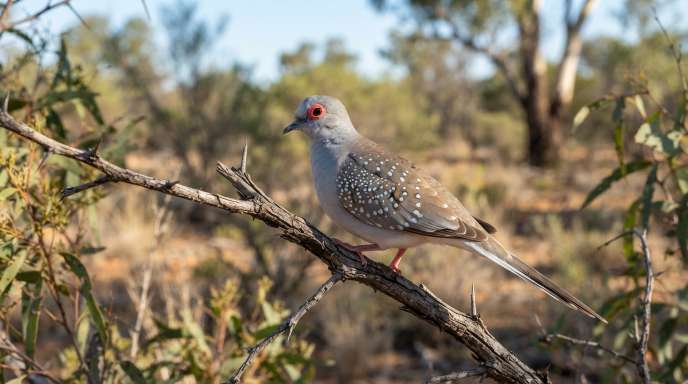
The Diamond Dove is a small dove native to Australia. It grows to about 19 to 21 cm long and weighs between 25 and 30 grams, with soft grey-brown feathers, small white spots on the wings, and a distinctive orange ring around each eye.
If you love the sound of soft cooing, a Diamond Dove might be the perfect fit. These birds are known for their peaceful, rhythmic coos rather than sharp calls or screeches. Diamond Doves are independent birds that do best in pairs, so they can keep each other company while staying quiet enough for apartment living. A horizontal flight cage gives them the space they need to feel comfortable.
3. Finches
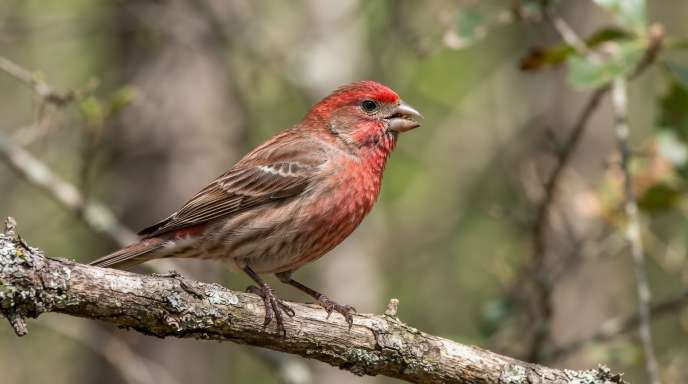
The Zebra Finch, one of the most popular pet finches, is native to Australia and parts of Indonesia. It grows to around 10 cm long and weighs only 10 to 15 grams. Males have orange cheek patches, black and white striped throats, and a red-orange beak, while females are plainer with grey feathers.
Finches are some of the smallest and quietest pet birds around. Their voices are little more than gentle peeps and soft cheeps, which makes them a great choice for anyone with close neighbors. Zebra Finches and Society Finches are both popular choices. These birds are social by nature and prefer to live in small groups, though they are not big fans of being handled. A compact flight cage is usually enough space for a few finches to stay active and content.
4. Canary
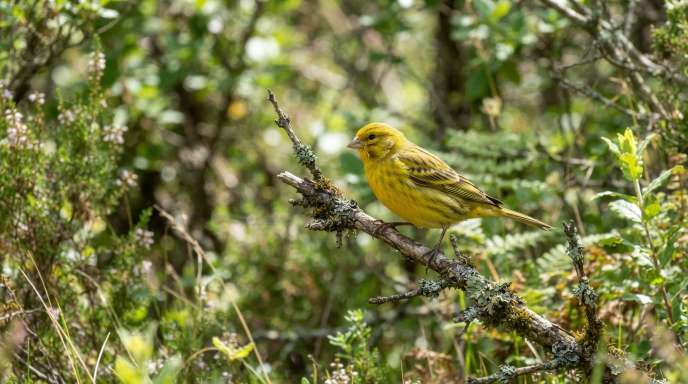
Canaries originally come from the Canary Islands, Azores, and Madeira, and have since been bred into many colors and varieties. They grow to about 12 to 20 cm long and weigh around 15 to 30 grams. Most are bright yellow, though some varieties come in red, orange, or white, and certain breeds have crests or frilled feathers.
Canaries have long been loved for their pleasant, musical songs. Unlike larger birds, their voices stay soft and rarely carry through walls, making them one of the best quiet birds for apartments. Canaries tend to be solitary and do not require a companion bird, which also helps keep noise levels low. They enjoy a moderately sized cage with room for perches and toys to stay entertained during the day.
5. Budgerigar (Budgie)
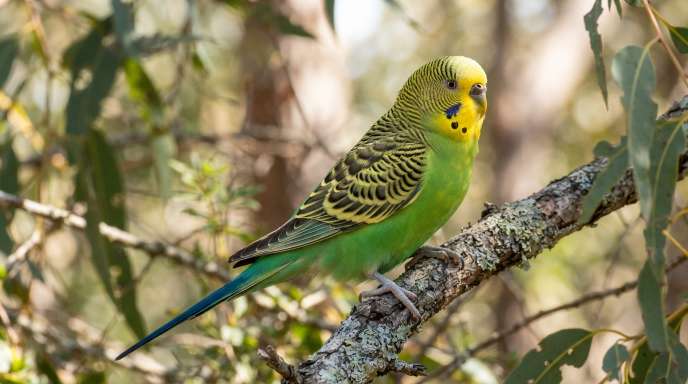
Budgies are native to Australia and are one of the most popular pet birds in the world. They grow to about 18 cm long and weigh around 30 to 40 grams. Wild budgies have a green body, yellow head, and black and yellow markings on the back, though pet budgies come in many color mutations like blue, white, and grey.
Budgies are known for being playful, affectionate, and surprisingly low noise for such an interactive bird. Their chatter stays soft and rarely reaches a disturbing volume, even though they are quite chatty throughout the day. Budgies love attention and do best with regular time outside their cage. If you want a calm pet bird that still offers plenty of personality, a Budgie is hard to beat.
How to Keep a Quiet Bird Happy in a Small Space
Choosing a naturally quiet species is a great first step, but a few simple habits can help keep your bird calm and content in a smaller home.
- Give them a roomy cage: Even small birds need enough space to move, stretch, and flap their wings.
- Offer daily out-of-cage time: Regular exercise helps birds burn energy and reduces stress-related noise.
- Add toys and perches: Bored birds are more likely to call out for attention, so keeping them entertained helps.
- Stick to a routine: Birds feel more settled when their feeding and sleep schedule stays consistent.
- Avoid sudden loud noises: Startling a bird can trigger alarm calls, even in the quietest species.
A well cared for bird, even a naturally vocal one, is far less likely to become a noise problem in a small space. One area worth watching closely is your bird’s beak. Birds rely on their beak for eating, grooming, and exploring their surroundings, so any changes are worth noticing early. Learning about the common reasons for beak overgrowth in birds can help you catch problems before they affect your bird’s eating habits or overall comfort.
Are Quiet Birds Really Silent?
It is important to set realistic expectations. Quiet pet birds still chirp, sing, or coo throughout the day. What sets them apart is that their sounds are soft, low in volume, and unlikely to disturb people in nearby rooms or apartments. A bird that is quiet by nature can still call out loudly if it feels scared, lonely, or unwell, so a small amount of noise now and then is completely normal.
If your usually quiet bird suddenly goes silent for an extended period, it is worth paying attention. A change in vocal behavior can sometimes be an early sign that something is off with your bird’s health.
Frequently Asked Questions:
Q: Which pet birds are the quietest?
A: Bourke’s Parakeets, Diamond Doves, Finches, Canaries, and Budgies are among the quietest.
Q: Are budgies loud birds?
A: No. Budgies chatter often, but their voices stay soft and low.
Q: Do quiet birds need a companion?
A: Some do. Finches and Diamond Doves do best in pairs or small groups.
Q: Can quiet birds live in apartments?
A: Yes. Their soft calls make them ideal for apartments and shared walls.
Are canaries good for small spaces?
Yes. Canaries are solitary, soft-voiced, and need only a moderate cage.
Final Thoughts
You do not need a big house to enjoy the company of a bird. Species like the Bourke’s Parakeet, Diamond Dove, Finch, Canary, and Budgie all prove that a small space and a peaceful home can go hand in hand. Each of these birds brings its own personality, from soft cooing to cheerful chatter, without the loud screeches associated with larger parrots.
Before bringing a bird home, think about how much space and attention you can offer, since even the calmest bird still needs proper care to stay happy. With the right setup and a little patience, one of these quiet pet birds could be the perfect addition to your small space.