
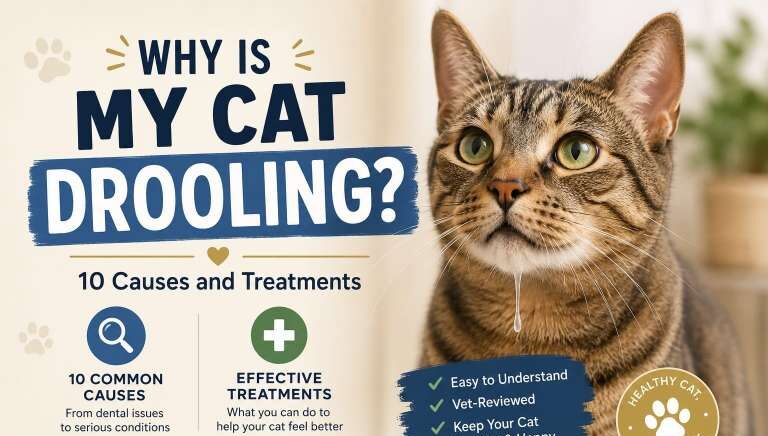
If you have ever noticed your cat slobbering more than usual, you are not alone. Cat drooling is one of the most common concerns pet owners bring up with their vets. Sometimes it is completely harmless. Other times, excessive drooling in cats points to a real health problem that needs attention.
This guide covers everything about 10 Common Causes Why Your Cat’s Drooling including all the possible causes, what feline hypersalivation actually means, how to tell normal from abnormal, and what you can do about it. We wrote this in plain, simple language so you can figure out what is going on with your cat quickly and without confusion.
What Is Cat Drooling?
Cat drooling happens when a cat produces more saliva than it can swallow. You might notice wet fur around your cat’s chin, a damp spot on your lap, or visible drool hanging from your cat’s mouth. Some people describe it as their cat slobbering or their cat with excessive saliva pooling around the lips.
Unlike dogs, cats are not known for drooling regularly. So when a cat does drool, it gets noticed fast. That is actually a good thing because it makes it easier to catch a potential problem early.
Is It Normal for Cats to Drool?
Yes, in certain situations, cat drooling is completely normal. Here are the cases where a little drool is nothing to worry about.
Happy and Relaxed Drooling
Some cats drool when they are deeply content. If your cat is curled up in your lap, purring loudly, and kneading your blanket, a small amount of drool is just a sign of pure happiness. This behavior traces back to kittenhood, when kittens kneaded their mother while nursing. The connection between kneading and feeding creates a relaxation response that, in some cats, so if your cat is drooling and meowing frequently, check out our guide on why your cat meows so much to learn what those sounds may mean.
Drooling Around Food
Some cats drool briefly when they smell or anticipate food. This is a normal reflex, similar to how humans salivate before a meal. If it stops as soon as eating is done, it is not a concern.
Stress-Related Drooling
Car rides, vet visits, and loud environments can trigger temporary drooling in cats. This is caused by anxiety and the body releasing stress hormones. The drooling should stop soon after the stressful event ends. If it does not stop, or if it happens very frequently, speak with your vet.
Why Is My Cat Slobbering So Much? Abnormal Causes to Know
When cat drooling becomes frequent, excessive, or comes with other symptoms, it is time to look deeper. Here are the most common causes of abnormal or excessive drooling in cats.
1. Cat Dental Disease
Dental disease is one of the top reasons cats drool excessively. Cats can develop tartar buildup, gum inflammation, tooth decay, and infections inside the mouth, often without obvious outward signs until the problem becomes serious.
Inflamed gums in cats, also called gingivitis, is extremely common and very painful. When the gums are inflamed, the body produces extra saliva as a response to the irritation and discomfort. You might also notice your cat avoiding hard food, pawing at its face, or having noticeably bad breath.
Cat mouth problems related to dental disease can go undetected for months or even years because cats are naturally good at hiding pain. Regular dental checkups are the best way to stay ahead of this.
2. Tooth Resorption in Cats
Tooth resorption in cats is a condition where the tooth structure breaks down from the inside out. It is one of the most painful dental conditions a cat can experience, and it affects a large percentage of adult cats.
Cats with tooth resorption often drool, chew on one side of their mouth, drop food while eating, or refuse to eat altogether. The condition cannot be treated with medication alone. Affected teeth typically need to be extracted by a veterinarian.
If your cat is drooling and eating differently than usual, tooth resorption could be the reason.
3. Nausea and Upset Stomach
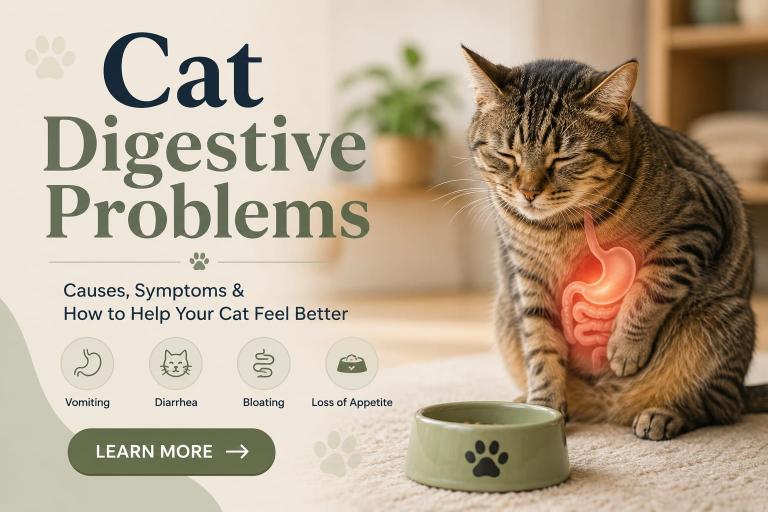
A cat that feels nauseous will often drool heavily. Nausea in cats can come from many sources, including motion sickness, hairballs, intestinal parasites, eating something that did not agree with them, or more serious issues like kidney disease.
Nausea-related drooling is often paired with lip licking, swallowing repeatedly, reduced appetite, and sometimes vomiting. If your cat is drooling and also seems to have an upset stomach, a vet visit is a good idea.
4. Toxin Exposure and Poisoning
One of the most urgent causes of cat drooling excessively is toxin exposure. If your cat has licked, chewed, or swallowed something poisonous, drooling is often the first visible symptom.
Common household dangers include:
- Toxic plants like lilies, azaleas, and poinsettias
- Household chemicals and cleaning products
- Human medications like ibuprofen or acetaminophen
- Certain foods like onions, garlic, or xylitol
- Flea and tick products formulated for dogs, not cats
- Pesticides and lawn chemicals
Cat foaming at the mouth is a serious sign of toxin exposure. If you see your cat foaming, drooling heavily, and seeming disoriented or unwell, this is an emergency. Get to a vet immediately or call the Pet Poison Helpline.
5. Foreign Object Stuck in the Mouth or Throat
Cats love to chew on things they should not, like string, rubber bands, small toy parts, or grass. If something gets lodged in your cat’s mouth, throat, or between the teeth, it will cause sudden and intense drooling.
You might notice your cat pawing at its mouth, gagging, or refusing to eat. Never try to pull out a string yourself, as it may be wrapped around something inside the stomach. Go straight to a vet.
6. Oral Injuries and Trauma
Mouth injuries from biting electrical cords, chewing on sharp objects, or getting into a fight with another animal can all cause excessive drooling. Cats that have been in accidents may also drool due to jaw injuries that make swallowing difficult.
You may not always be able to see the injury from the outside. Drooling paired with behavioral changes or reluctance to eat is enough reason to have your cat examined.
7. Kidney Disease and Other Systemic Illness
Kidney disease in cats can cause a buildup of waste products in the blood, which leads to nausea and mouth ulcers. Both of these trigger drooling. Other systemic illnesses like liver disease can produce similar effects.
If your cat is drooling and also losing weight, drinking more water than usual, urinating more, or seeming lethargic, kidney or liver disease may be involved. Blood and urine tests from your vet can confirm or rule this out.
8. Heatstroke
Cats left in hot environments without shade or water can develop heatstroke very quickly. Drooling, panting, rapid breathing, and weakness are all warning signs. Heatstroke is a medical emergency. Move your cat to a cool area immediately and contact an emergency vet.
9. Oral Tumors
Though less common, tumors in the mouth or throat can prevent a cat from swallowing normally, causing saliva to pool and drip. If your cat’s drooling comes with facial swelling, difficulty opening or closing the mouth, or weight loss, an oral tumor may be involved and needs immediate veterinary evaluation.
10. Rabies
Rabies is rare in vaccinated cats but worth mentioning because excessive drooling and cat foaming at the mouth are well-known symptoms. Behavioral changes, aggression, and neurological symptoms typically accompany it. Keep your cat’s rabies vaccine up to date, even for indoor cats.
Feline Hypersalivation: What Does That Mean?
Feline hypersalivation is the medical term for excessive saliva production in cats. It is not a diagnosis on its own but rather a symptom that something else is going on. When a vet uses this term, they are describing a cat that is producing far more saliva than normal, to the point where it cannot be swallowed and drips from the mouth.
The causes of feline hypersalivation range from benign to serious, which is why context matters so much. A vet will look at when it started, how often it happens, what other symptoms are present, and what your cat has recently eaten or been exposed to. While researching your cat’s health, you may also come across procedures like declawing. If you’re considering it, read our guide on how much it costs to declaw a cat to understand the procedure, its costs, and important welfare considerations before making a decision.
How to Tell Normal Drooling from a Problem
Here is a simple way to evaluate what you are seeing:
Likely normal if:
- Your cat drools only when purring, kneading, or being petted
- It started when your cat was very young and has always been occasional
- Drooling stops quickly after a stressful event like a car ride
- Your cat is eating, drinking, and behaving completely normally
See a vet soon if:
- Drooling is new and was not happening before
- Your cat is drooling frequently throughout the day
- You notice bad breath, red gums, or difficulty eating
- Your cat is losing weight or seems less active
- Drooling comes with lip licking, gagging, or repeated swallowing
Go to an emergency vet immediately if:
- Your cat is foaming at the mouth
- You suspect toxin or poison exposure
- Drooling is paired with trouble breathing, collapse, or confusion
- Your cat cannot open or close its mouth normally
Cat Drooling Treatment: What Can Be Done?
The right cat drooling treatment depends entirely on the cause. Here is what treatment typically looks like for the most common situations.
Dental Disease Treatment
If dental disease is causing the drooling, your vet will likely recommend a professional dental cleaning under anesthesia. Severely affected teeth may need extraction. After the procedure, most cats improve significantly and the drooling stops or reduces a lot. Antibiotics may be prescribed if there is an active infection.
Tooth Resorption Treatment
Tooth resorption requires extraction of the affected teeth. There is no way to reverse the damage once it starts. The good news is that cats adjust very well to tooth loss and usually eat normally again after recovery.
Nausea Treatment
If nausea is the cause, your vet will look for the underlying reason. Treatment might include anti-nausea medications, dietary changes, deworming if parasites are involved, or treatment for kidney or gastrointestinal disease.
Toxin Exposure Treatment
Toxin cases are treated as emergencies. Your vet may induce vomiting, administer activated charcoal to absorb the toxin, provide IV fluids, or give specific antidotes depending on what was ingested. Speed is critical here.
Stress and Anxiety Treatment
For cats that drool during stressful events, your vet can recommend calming strategies. These include pheromone sprays, supplements, anti-anxiety medications for travel, or behavioral changes to reduce exposure to triggers.
How to Stop a Cat from Drooling: Prevention Tips
While you cannot always prevent drooling, there are real steps you can take to reduce the risk of the most common causes.
Keep up with dental care. Schedule a veterinary dental exam at least once a year. Ask your vet about safe toothbrushing routines or dental rinses you can use at home to slow plaque buildup.
Cat-proof your home. Remove toxic plants, keep chemicals locked away, and make sure your cat cannot access medications, foods, or cleaning products. Check which houseplants are safe before bringing new ones home.
Stick to regular vet checkups. Annual or twice-yearly wellness exams give your vet a chance to spot early signs of dental disease, kidney problems, and other conditions before they become serious.
Feed a balanced diet. Good nutrition supports overall health, including oral health. Ask your vet if a dental diet or dental treats would benefit your cat.
Keep vaccinations current. Rabies and other core vaccines protect your cat from serious diseases that can cause neurological symptoms including drooling.
When to Call the Vet Right Away
To summarize the warning signs that require prompt veterinary attention:
- Sudden, heavy drooling that is new for your cat
- Cat foaming at the mouth
- Drooling paired with vomiting, not eating, or hiding
- Signs of mouth pain like pawing at the face or head shaking
- Suspected exposure to something toxic
- Drooling paired with breathing difficulty or extreme weakness
- Significant bad breath combined with drooling
Cats are very good at hiding how sick they feel. By the time most cats show obvious symptoms, the problem has often been building for a while. Do not wait too long if something feels off.
Final Thoughts
So, why is your cat slobbering so much? It could be as simple as a happy cat enjoying a good cuddle session, or it could be a sign of dental disease, a swallowed toxin, or a systemic illness that needs treatment.
The most important thing to remember is this: occasional drooling in a relaxed, healthy cat is normal. Frequent, heavy, or new drooling in a cat that is also acting differently is not normal and deserves a vet visit.
One thought on “10 Common Causes Why Your Cat’s Drooling”